

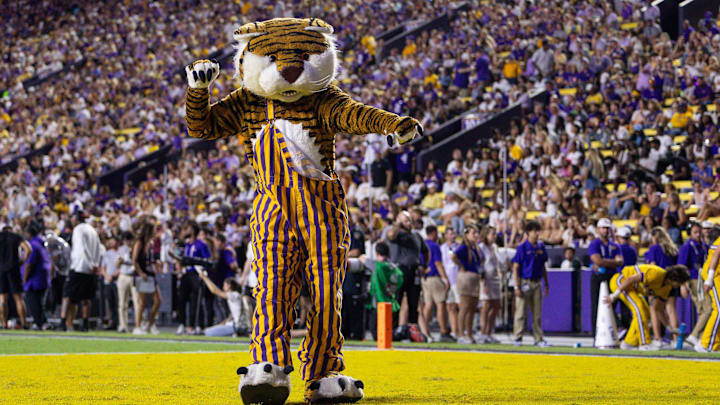
Last week, Louisiana state lawmakers proposed a hike in taxes on sports betting. Those taxes would go straight to college NIL funds in order to support the state's most prominent public athletic programs.
Those universities would include the LSU Tigers, who already have an estimated NIL fund value of approximately $13 million following the 2024 football season. The proposed tax hike could bring in as much as $24 million for the 11 public universities in the state (LSU, Louisiana Tech, Grambling State, and more).
Louisiana Governor Jeff Landry then had the proposed legislation sitting on his desk as he decided whether or not to make his state the first-ever to raise taxes in order to fund college sports. In a similar move, the state of Arkansas waived any income taxes on NIL payments made directly from universities to their varsity athletes.
Following the recent U.S. House decision that NCAA college programs could directly pay their athletes, it seemed inevitable that state laws would start lending their hand toward those multi-billion-dollar athletic programs as well.
How much will sports betting taxes increase in Louisiana?
Initially, state lawmakers proposed doubling the initial tax rate of 15 percent on sports betting. However, they settled on increasing the tax rate to 21.5 percent. According to the Associated Press' David A. Lieb, "One-quarter of the tax revenue from online sports wagering... would be split equally among 11 public universities in conferences with Division I football programs."
Louisiana will raise taxes on sports betting to divide $24 million across 11 state schools that have D-I football programs to help offset the costs of revenue sharing.
— Front Office Sports (@FOS) June 17, 2025
A quarter of revenue from the 21.5% tax on online betting profits will be split evenly between the schools.
Neil Riser, a Republican state Representative who sponsored the bill, kept it simple when asked about his support for the legislation: "We love football in Louisiana... that’s the easiest way to say it."
Private universities across the state, which are already under additional pressure to raise NIL funds as smaller programs, will not benefit from the tax increase.
 Add us as a preferred source on Google